
Buying or building a home isn’t just about walls, a roof, and the finishes. It’s also about systems: the heating and cooling equipment that keeps you comfortable, the ventilation that maintains a healthy indoor environment, the plumbing and electrical networks that we’ve all come to rely on. Yet many homeowners — new and those who’ve owned a home for years — don’t fully understand how their house actually works. A few manuals in a drawer aren’t enough.
In the commercial world, systems are commissioned, and the building operators are trained to make sure systems perform as designed. Houses deserve the same treatment and homeowners, the same training. Whether it’s a brand-new high-performance home or a decades-old Cape Cod, understanding the systems is essential to comfort, health, safety, efficiency, and to make sure the home lasts many decades, if not centuries.
Why homeowner training is critical
Today’s homes — even older ones that have been retrofitted — are more complex than ever. Air sealing, insulation upgrades, and high-efficiency equipment make houses comfortable and efficient, but also less forgiving. If a homeowner doesn’t understand how to run their systems, it can lead to higher energy bills, comfort complaints, moisture issues, indoor air quality problems, or even premature equipment failure.
Good homeowner training gives people the knowledge and confidence to:
-
Understand how their house ventilates and dries — where fresh air comes in, how stale air leaves, and why that matters.
-
Operate heating, cooling, and ventilation systems correctly.
-
Recognize when something is wrong before it becomes a bigger problem.
-
Keep energy use and maintenance costs under control.
-
Make informed choices about upgrades and retrofits in older homes.
Key systems every homeowner should know
Heating and Cooling Equipment.
Whether it’s a gas furnace, an air-source heat pump, or an old boiler with radiators, every system has specific maintenance needs. Homeowners should know where filters are, how to change them, how to set thermostats for efficiency, and what warning signs (strange noises, uneven temperatures, higher bills) might indicate a problem. In existing homes, this also means knowing the age and efficiency of the equipment so you can plan for replacement.

Ventilation and Indoor Air Quality.
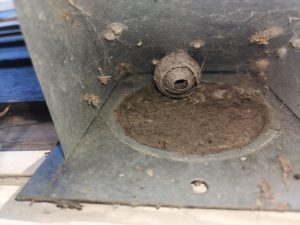
Many high-performance homes now have balanced ventilation systems such as HRVs or ERVs. These are great for air quality but only if they’re used correctly. Homeowners should understand filter changes and other maintenance needs, speed settings, and when to run boost modes. In existing homes, it’s equally important to know if ventilation is passive, exhaust-only, or balanced — and what that means for indoor air quality.
Plumbing and Hot Water.
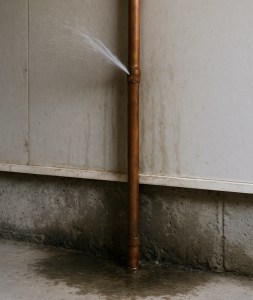
Knowing where the main shut-off valve is, how to adjust a water heater, and how to spot leaks early can save thousands of dollars in damage. For older homes, it’s worth identifying where pipes may freeze, what materials they’re made of, and whether upgrades are needed.
Electrical Systems.
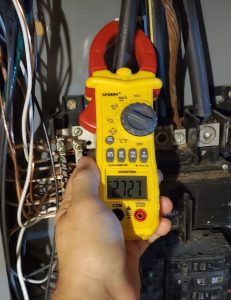
At a minimum, homeowners should know where the main breaker panel is, how to reset a tripped breaker, and how to identify which circuits power critical systems. In existing homes, labeling unlabeled panels and understanding outdated wiring types can improve safety.
Envelope and Moisture Management.
In high-performance homes, the building envelope is part of the system. In older homes, envelope upgrades like new insulation, air sealing, or window replacement can change how the house behaves. Understanding these changes helps homeowners avoid unintended moisture problems — like running a humidifier without controls in a newly sealed home.

Best practices for homeowner training
-
Walk-Throughs at Move-In or After Retrofits: Builders, remodelers, or energy auditors should provide a systems tour, showing homeowners where everything is and how it works. For existing homes, energy audits or weatherization work are perfect times to train homeowners on how the current equipment works and how upgrades will affect the house.
-
Written Guides and Labels: Provide simple, non-technical checklists or a homeowner manual, and label equipment (filters, shut-offs, breakers) so the homeowner can refer back later.
-
Seasonal Reminders: Some tasks have natural reminders they are seasonal (like starting a heating or cooling system for the first time of the season). A quick email or checklist can help homeowners remember. In older homes, reminders about annual inspections of chimneys and flues, ventilation equipment, or crawlspaces can prevent big problems.
-
Encourage Preventive Maintenance: Make it clear that small, regular actions (filter changes, inspections) prevent big, expensive problems. For existing homes, preventive maintenance can also extend the life of older equipment (yes, it is a good idea to at least look in your crawlspace from time to time).
Why it’s worth the effort
A house is a system of systems. Training homeowners — whether they’re moving into a new high-performance build or trying to keep an older home healthy — protects their investment, lowers operating costs, and keeps the home safe and durable. For builders and energy professionals, it also means fewer callbacks and happier clients, and believe me, a client that feels taken care of will call you first for their next project.
We commission commercial buildings because we know systems need to be set up and explained. Homes deserve the same care. A little training goes a long way toward ensuring a house performs as designed — and keeps doing so for decades.
I’m excited to share that I’m now the editor of Green Building Advisor (GBA). If you’re not familiar with the site, it’s part of the Fine Homebuilding Magazine family and publishes new blog posts from some of the best voices in the industry every weekday. These blogs cover the same topics I explore here on Northern Built—energy, durability, efficiency, and healthy indoor environments. GBA also has an active Q&A forum where readers discuss a wide range of building-science questions, plus a robust details library of high-performance construction details. There’s also a paid membership option that gives you full access to everything GBA offers.
Yes, yes, yes. Great suggestions, and something that builders and designers both need to implement and follow. Thank you!